
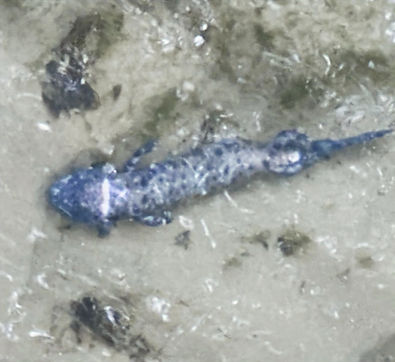
The Misunderstood Mudpuppy
Mudpuppies are Michigan’s largest, fully aquatic salamander. Often referred to as ‘bio-indicators’ because they are sensitive to pollutants and water quality, these salamanders act as an early warning system for environmental problems.
Mudpuppies are actually an amphibian and although they have lungs and can gulp air they rely on their feathery red external gills for oxygen.
Their diet is mostly crayfish, insect larvae, snails and small fish. There is no evidence that they impact fish populations, and they more likely benefit them by helping control non-native species.
Mudpuppies are a protected species in Michigan. People sometimes accidentally catch them while fishing. If you do catch a mudpuppy, you must put them back.
Mudpuppies are not blind, but their eyesight is limited. They rely on a keen sense of smell to find their prey.
Female mudpuppies not only protect their eggs until they hatch but will also guard the nest while the young emerge and disperse.
Although slimy, mudpuppies are not poisonous. Anglers should gently remove the hook and return them to the water.